I Want To Purchase A Vehicle

David Sterling
Managing Editor, Borrowing · Updated November 2026
David Sterling
Managing Editor, Borrowing · Updated November 2026
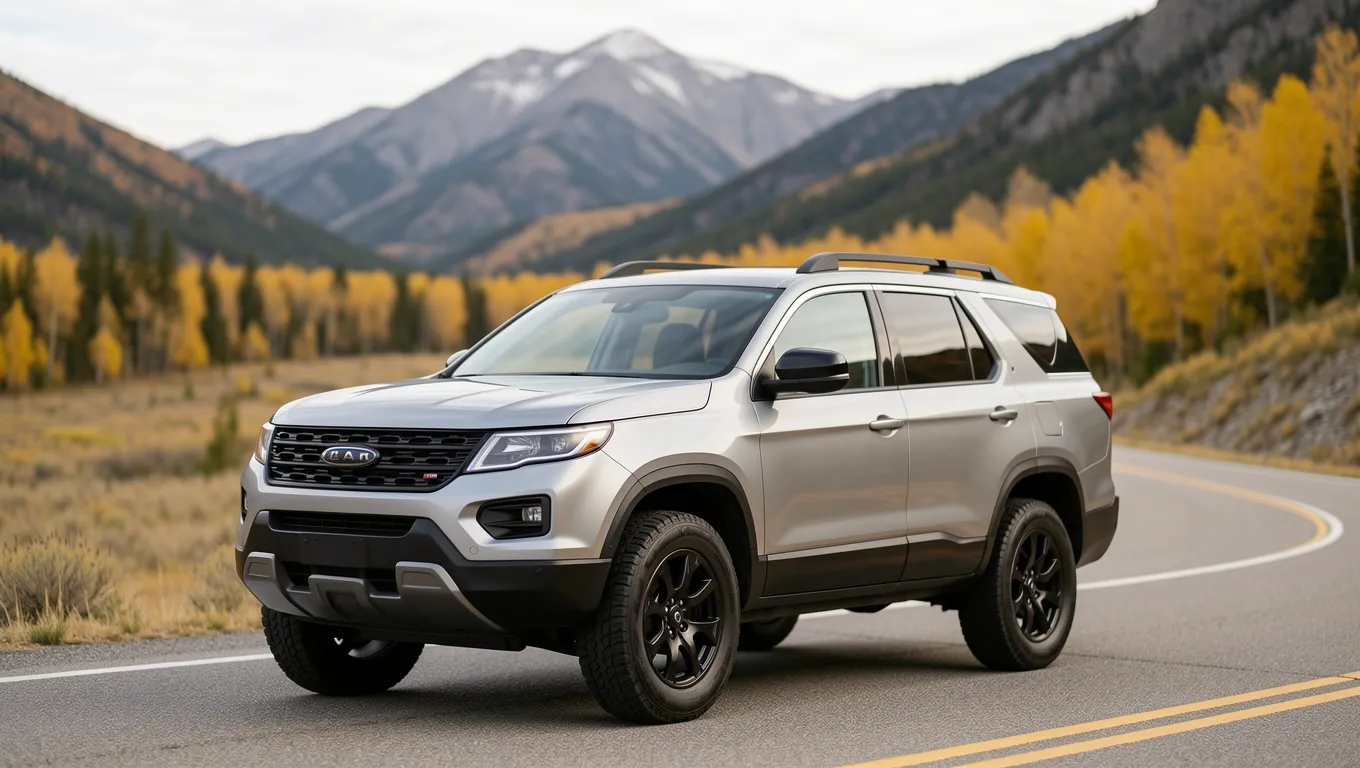
Imagine you are standing on a lot in Cheyenne, Wyoming. The wind is biting, and the vehicle you have your eye on—perhaps a rugged SUV capable of handling those sudden winter storms—looks perfect for your lifestyle. You know what you need, but now comes the part that often feels overwhelming: how to actually pay for it. For many residents in 2026, the question is no longer just about which car looks best, but rather, 'how do I finance this without compromising my financial stability?'
Navigating vehicle acquisition involves more than just picking a color and signing a contract. In 2026, the landscape of lending has evolved, with various options ranging from traditional dealership financing to personal loans that offer more flexibility. For instance, while you might see sticker prices for used trucks ranging from $12,000 to $35,000, your actual total cost of ownership will include taxes, registration fees, and the interest accrued over the life of your loan. It is vital to understand that most lenders may offer terms based on a wide variety of factors, including your credit profile and current market rates.
This guide is designed to demystify the process for you. We will walk through the mathematical realities of APR (Annual Percentage Rate), compare different financing strategies, and provide a framework to help you decide which route aligns with your long-term goals. By the end of this article, you should feel equipped to approach a dealership or a lender with confidence, knowing exactly what questions to ask and what red flags to avoid. Whether you are looking for a reliable commuter car or a heavy-duty work truck, understanding the mechanics of debt is your best defense against financial stress.
When you say 'I want to purchase a vehicle,' it is easy to focus solely on the advertised price. However, a wise borrower looks at the total cost of ownership from day one. In Wyoming, for example, sales tax and registration fees can add several hundred or even thousands of dollars to your initial transaction. If you are buying a used vehicle from a private party, you may also need to account for immediate maintenance that might not be immediately apparent.
To truly understand the cost, you must look at the total amount paid over the life of a loan. A common misconception is that a lower monthly payment is always better. While it helps with immediate cash flow, a longer term significantly increases the total interest you pay. For example, if you take out a $20,000 loan at 7% APR for 60 months, your total interest paid will be roughly $3,758. If you were to extend that to 72 months, even with the same rate, you would end up paying significantly more in interest just to lower that monthly payment slightly.
To avoid being caught off guard, consider this three-step audit before you commit:
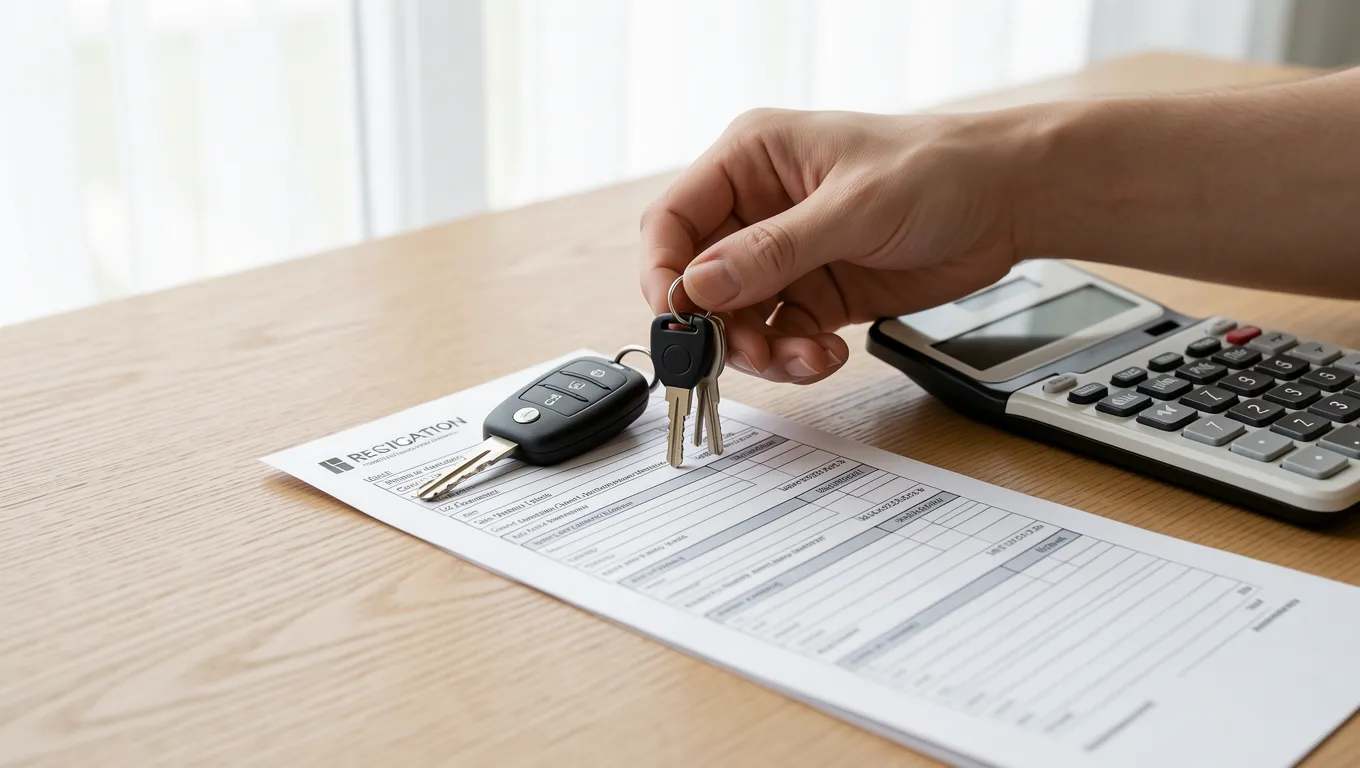
When it comes time to pay, you will likely face a choice: do you use the financing offered by the dealership, or do you secure a personal loan beforehand? Both paths have distinct trade-offs that can impact your long-term financial health.
Dealership financing is often praised for its convenience. The dealer handles all the paperwork, and the process is seamless. However, dealerships are not lenders; they are retailers who act as middlemen. This means they may add a 'markup' to the interest rate they receive from their lender, which can increase your total cost. On the other hand, securing a personal loan through an external provider before you even step onto the lot gives you significant leverage. You enter the negotiation knowing exactly what your interest rate is and how much capital you have available.
Here is how the two strategies typically compare:
Understanding the difference between an interest rate and the Annual Percentage Rate (APR) is essential for any borrower. While the interest rate tells you the cost of borrowing the principal, the APR includes both the interest rate and any additional fees or costs associated with the loan. This makes APR a much more accurate reflection of what you are actually paying.
Let us look at some concrete mathematical examples to see how these numbers play out in real-world scenarios for 2026. These figures are illustrative and depend heavily on your individual credit profile:
One of the most effective ways to lower your monthly payment and reduce interest costs is by providing a substantial down payment. In 2026, many financial experts suggest aiming for at least 20% of the vehicle's value. This practice serves two critical purposes: it reduces the total amount you need to borrow, and it provides a safety net against depreciation.
When you are 'underwater' on a car loan—meaning you owe more than the vehicle is worth—you are in a precarious position. If you need to sell the car or if it is totaled in an accident, insurance payouts may not cover the full balance of your loan. A larger down payment ensures that you maintain equity in the vehicle from the moment you drive it off the lot.
If you do not have a large lump sum ready, consider this decision framework to build your funds:
Financing a used vehicle introduces unique complexities that new car buyers often overlook. One major pitfall is focusing exclusively on the monthly payment during negotiations. Salespeople may attempt to lower your monthly cost by extending the loan term from 48 months to 72 or even 84 months. While this makes the monthly number look more manageable, you are actually increasing your total debt and potentially paying for a vehicle that has lost most of its value long before the loan is settled.
Avoid the trap of 'payment-based negotiating'; always negotiate based on the total purchase price. If you focus on the monthly payment, the dealer can manipulate the terms to make an expensive car seem affordable in the short term.
Another nuance involves the type of title or lien being used. In a personal loan scenario, the lender may not hold the title to the vehicle, giving you more freedom but potentially requiring higher interest rates because the loan is unsecured. Conversely, with an auto loan, the vehicle serves as collateral. This means if you fail to meet your obligations, the lender has a legal right to repossess the car. You must weigh the flexibility of a personal loan against the typically lower interest rates offered by secured auto loans.
Your credit profile is the primary driver behind the terms you will receive in 2026. Lenders use various metrics, including your FICO score and your debt-to-income ratio, to determine how much risk they are taking by lending to you. In Wyoming, as in the rest of the US, lenders look for stability in your employment and a history of timely payments.
It is important to understand that not all credit scores are created up to the same standard. For example, some lenders may prioritize your Experian score while others might rely more heavily on TransUnion or Equifax data. This is why it is beneficial to monitor your reports for errors before you apply for a loan. A single incorrect mark can be the difference between an 8% APR and a 15% APR.
Expert nuance suggests that even if your score is not perfect, there are ways to improve your standing before applying. Reducing existing credit card balances to lower your credit utilization can provide a quick boost to your score in some cases. As you explore different options through comparison services, remember that the goal is to find a lender whose requirements align with your current financial reality. Depending on the lender and your specific profile, you may find that a slightly higher interest rate is worth it if it comes with more flexible repayment terms or no prepayment penalties.